The Small Drywall Repair People Put Off for Years
The single most common reason a hole in a Columbia wall stays there for three years is that homeowners assume no drywall contractor will come out for something that small. They will. Small drywall repair is normal work, and in a city with 62,021 housing units and a majority of them rented, it is a great deal of the work.
The honest part is the pricing. A one-hole drywall repair costs more per square foot than a whole room, because the drive, the masking, the setup and the two or three return visits are identical whether there is one hole or fifteen. So the useful move before calling is to walk the entire house with a torch held flat against the wall, and write down every anchor hole, doorknob strike, nail pop, hairline seam and dented corner. Batching a Columbia drywall repair is the largest single saving available to you, and it costs nothing but ten minutes.
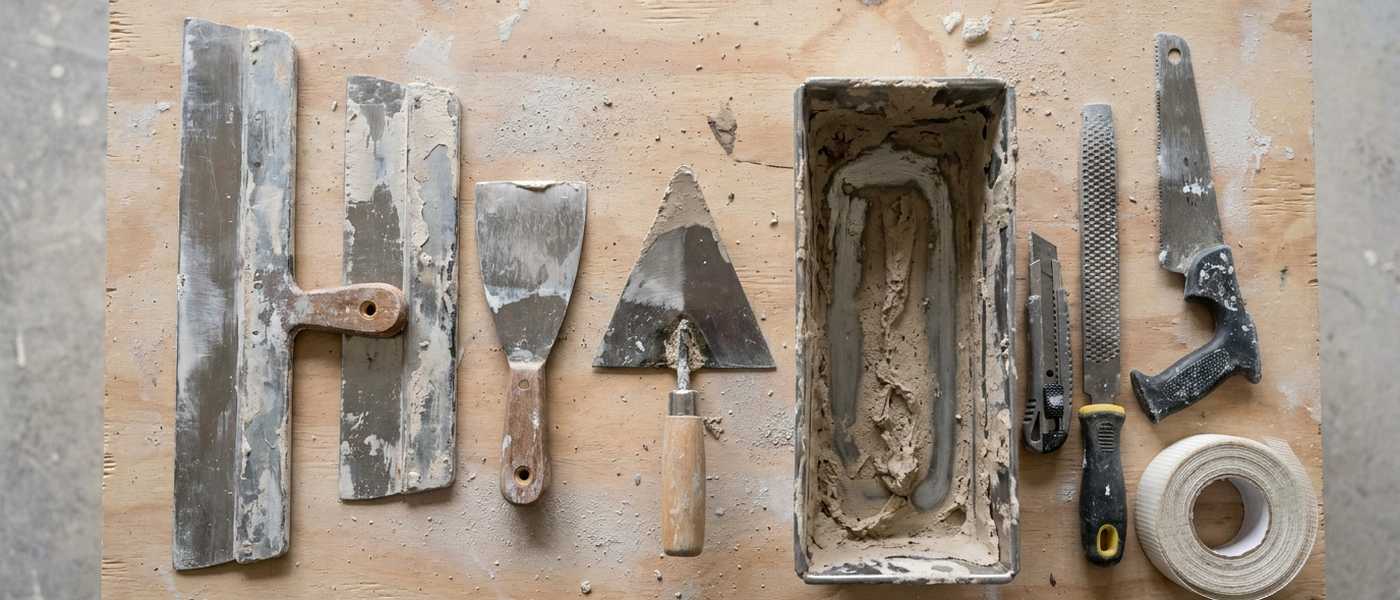
Six Kinds of Drywall Hole and What Each One Needs
- Doorknob strike. A clean round hole in the drywall behind a door with no stop fitted. Needs backing, a cut patch, three coats and texture, and ideally a door stop so the same drywall repair does not come round again next year.
- Anchor blowout. A shelf or a television mount pulled out and took a cone of gypsum with it. Small, but the surrounding drywall is usually crushed further than it looks, so the drywall repair cuts back to firm material.
- Foot or elbow through the wall. Bigger, with cracked drywall radiating outward. Almost always cut square and patched rather than filled.
- Nail pops. Fasteners backing out through the drywall as framing lumber dries. Re-fastened above and below, original set or removed, then coated. They come in groups, so budget for a room rather than a spot.
- Split tape seams. A straight crack following a joint. Cut the failed tape out and re-tape. Filling it is a drywall repair with a nine-month life.
- Crushed corner bead. The metal or vinyl angle under an outside corner has been bent by furniture. The bent section comes out and new bead goes in, because a bent bead cannot be filled straight, and it is the defect most often skipped in a rushed drywall repair.
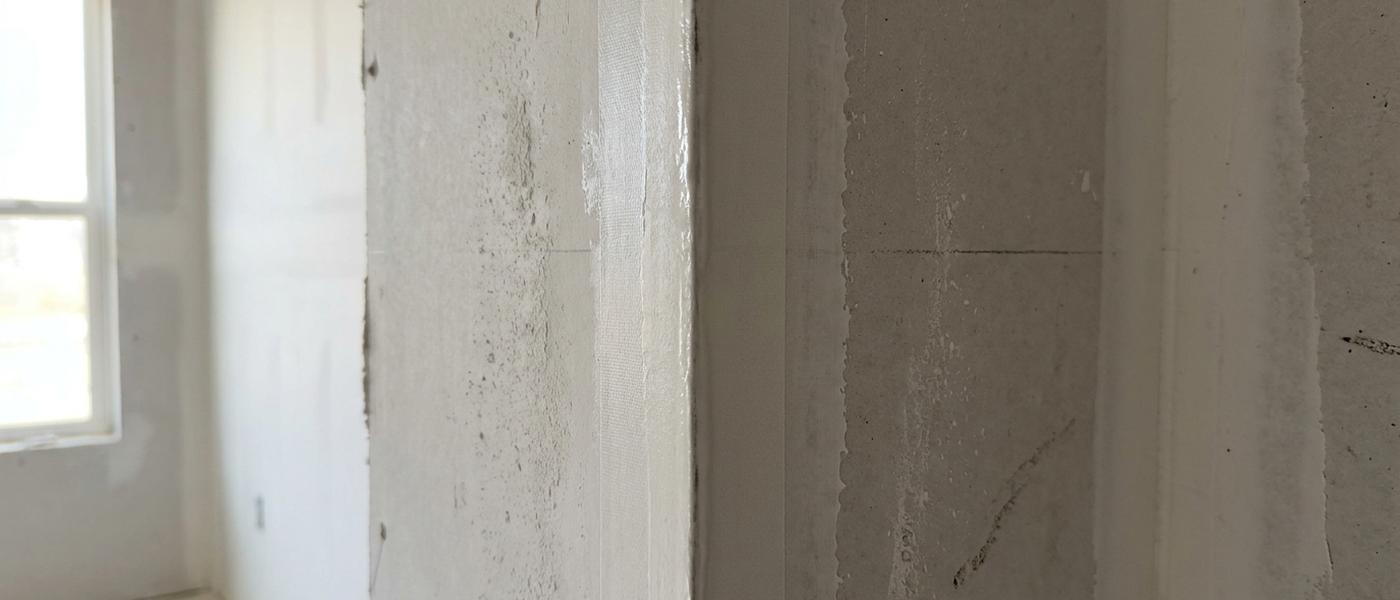
Backing Is the Difference Between a Drywall Repair and a Delay
The most important thing happening inside a drywall patch is invisible from the outside. If a drywall patch is fixed to nothing but the back edges of the surrounding board, it flexes. Every flex works the compound at the perimeter, and within a year a rectangle outlines itself on your wall. The two honest methods are to fit backing inside the cavity so the drywall patch fastens to something solid, or to cut the opening back to the centre of a stud on each side so the new drywall fastens to framing exactly the way the original did.
Ask which method is being used on your drywall repair. It is a thirty-second question and it predicts whether the patch is still invisible in five years.
Rentals, Deposits and Make-Ready Patching
A very large share of small drywall repair in Columbia is turnover work, because 54.5% of occupied homes inside the city are rented. If you are a tenant patching before a move-out inspection, or a landlord getting a unit ready, the same rules apply but the schedule is tighter. Batch every defect into one visit, get the texture matched rather than left smooth, and start early enough that the coats can dry properly. There is a page for the landlord side of it: turnover and commercial drywall repair.
Drywall repair is dispatched across Richland and Lexington counties and out through the Midlands: Columbia, Forest Acres, Arcadia Lakes, West Columbia, Cayce, Springdale, Irmo, Seven Oaks, St. Andrews, Harbison, Dentsville, Woodfield, Killian, Blythewood, Lexington, Chapin, Red Bank, Oak Grove, Pine Ridge, Gaston, Hopkins and Elgin, and out as far as Camden, Winnsboro and Batesburg-Leesville when the job is worth the drive. Richland County alone holds 422,117 people and 187,611 housing units; the Columbia metro area reaches 849,181 people and 378,275 housing units, of which 43,565, about 11.5%, are mobile homes with their own set of wallboard quirks. The drywall repair itself does not change when you cross a county line. The drive time does, so say where you are when you call.