The Stain Is the Receipt, Not the Problem
By the time a brown ring shows on a Columbia ceiling, water has already been through the drywall and the paper facing on the back of the board has already lost strength. Nothing about a water damage drywall repair starts with the stain. It starts with finding out where the water came from and making sure it has stopped, because new board hung under an active leak is money set on fire.
Columbia sits at the fall line where the Broad River and the Saluda River meet to form the Congaree, in a humid subtropical climate that delivers roughly 44 inches of precipitation in a normal year with July average highs near 91 to 92 degrees. Drywall is gypsum pressed between two sheets of paper. It is very good at being a wall and very bad at being wet.
That is why so much Columbia drywall repair starts on a ceiling rather than a wall. In a climate this hot and humid, the quiet causes do most of the damage: an air handler in a hall closet whose condensate pan has rusted through, a supply duct sweating in a July attic, a roof flashing that weeps half a cup of water a week. None of them announce themselves. They show up months later as a brown ring on a ceiling, and by then the paper facing on the back of the board has already let go.
And then there is the flood. Between 1 and 5 October 2015, the Columbia Metro Airport recorded 8.74 inches of rain in 24 hours, an all-time record for any month, and the city broke its wettest one-day, two-day and three-day records at once. The gage on Gills Creek at Forest Acres read 15.51 inches in twelve hours. The Congaree River at Columbia peaked at 31.81 feet, carrying an estimated 185,000 cubic feet per second. Nineteen people died across the state, more than 20,000 residents were displaced, and nearly fifty regulated dams failed or were breached, at least forty-five of them in Richland and Lexington counties, including five along the Gills Creek watershed. Homes along those creeks were still having drywall replaced a year later. Not because drywall repair is slow, but because a roof and a foundation get fixed first, and the water they already let in stays a drywall problem for a long time afterwards.
What Actually Leaks in a Columbia House, and Which Drywall It Ruins
The dramatic causes get the attention and the quiet ones do most of the damage to the drywall. In rough order of how often they turn into a water damage drywall repair here:
- Condensate pans and drain lines. An air handler in a hall closet or an attic runs for months in a Columbia summer. When the secondary pan rusts through or the line clogs, the first sign is a ceiling stain directly below it.
- Sweating supply ducts. A poorly insulated duct in a 130-degree attic in July will drip steadily onto the drywall below it without a single component failing.
- Roof flashing and valleys. Slow, seasonal, and usually first visible at a ceiling and wall junction rather than in the middle of a room.
- Supply lines and shut-off valves. Sudden, high volume, and the one that saturates two floors of drywall in an afternoon.
- Washing machine boxes, water heaters, refrigerator lines. The classic slow-drip-behind-a-cabinet failures that are found only when the drywall bulges.
- Storm and creek water. Rarer, and unforgettable when it happens, as October 2015 demonstrated along Gills Creek and the Congaree. This is the one that turns a drywall repair into a whole-house drywall replacement.
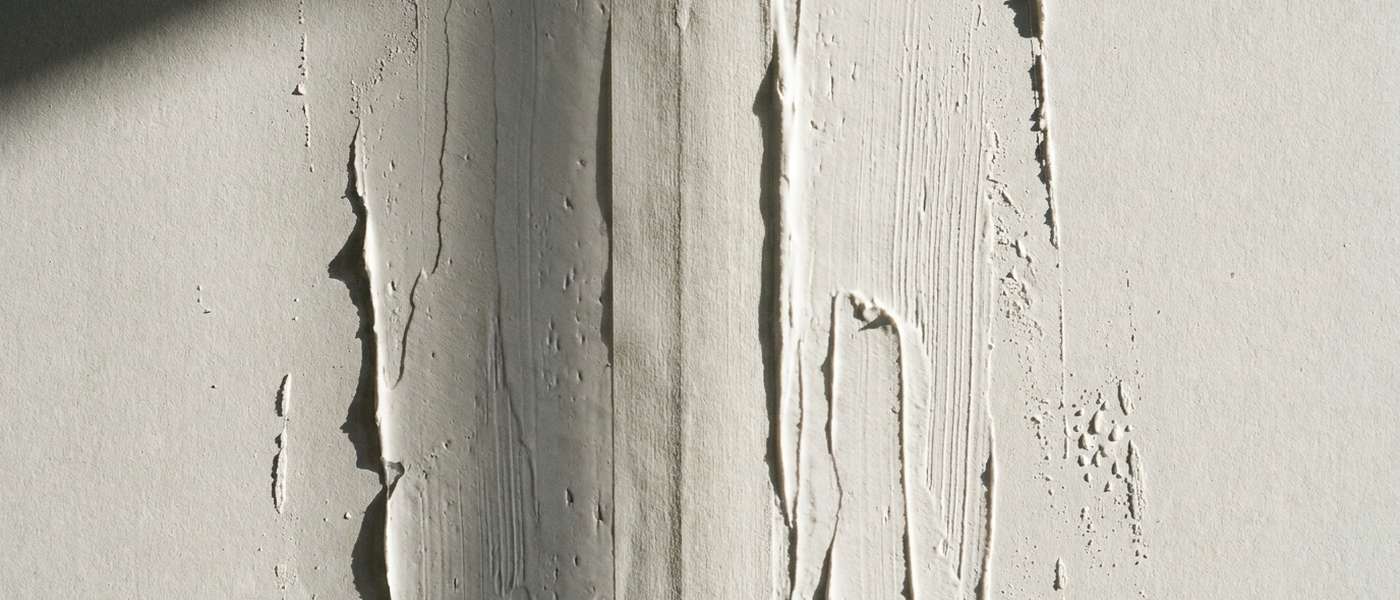
How Water Damage Drywall Repair Is Actually Done
- Stop the source. Plumbing, roofing or HVAC work comes first. A drywall repair is the last trade in, not the first.
- Find the real edge of the wet area. A moisture meter reads well past the visible stain, because gypsum wicks sideways. The cut line is set by the meter, not by the mark.
- Cut back to framing. The removal runs to the centre of the nearest stud or joist so the replacement board has something solid to fasten to.
- Open it up and dry it out. Wet insulation comes out. The cavity dries with the framing exposed. Hanging new drywall over a damp cavity is the most common reason a water damage drywall repair gets done twice.
- Hang, tape and three-coat. New board in, paper tape bedded, coats feathered wide.
- Texture, blend and prime. Matched on a sample board first, then applied, then left ready for paint. A stain-blocking primer goes over any residual discolouration so it cannot bleed back through.
Where This Stops, Plainly
Replacing wet drywall is not the same thing as remediating mold, and nobody here will describe it as though it were. This site arranges drywall repair and drywall replacement. It does not test for or treat mold, it does not test for asbestos, and it does not give insurance or claims advice. If growth is visible or suspected behind the board, that is a separate specialist's job and it happens before any new drywall goes up. Saying so costs nothing and it is the difference between a drywall contractor and a sales pitch.
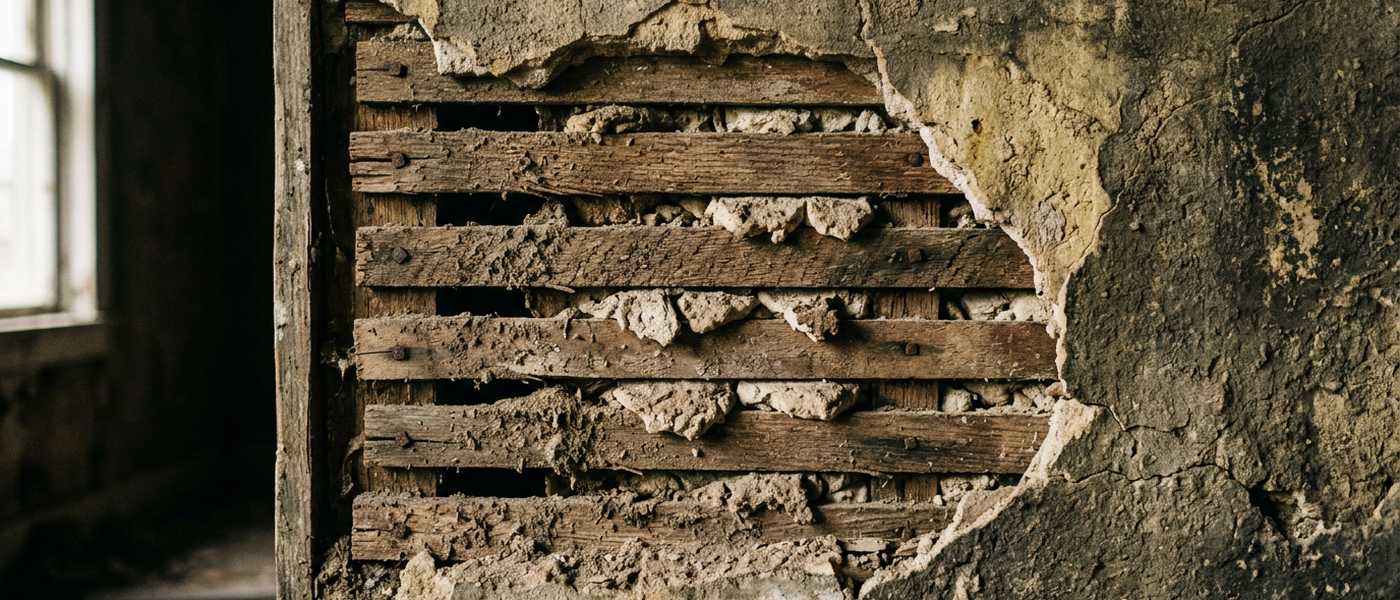
Rentals, Multifamily and the Turnover Problem
In a city where 28,914 of 53,076 occupied homes are rented, a lot of water damage is found by a property manager rather than an owner, and it is usually found late, because the stain sat above a tenant's head for a while before anyone mentioned it. Turnover is when it surfaces. If the drywall repair is being scheduled around a move-out date, say so on the phone, because the drying step is the part of the job that cannot be compressed and it has to be planned around. See turnover and commercial drywall repair.
Drywall repair is dispatched across Richland and Lexington counties and out through the Midlands: Columbia, Forest Acres, Arcadia Lakes, West Columbia, Cayce, Springdale, Irmo, Seven Oaks, St. Andrews, Harbison, Dentsville, Woodfield, Killian, Blythewood, Lexington, Chapin, Red Bank, Oak Grove, Pine Ridge, Gaston, Hopkins and Elgin, and out as far as Camden, Winnsboro and Batesburg-Leesville when the job is worth the drive. Richland County alone holds 422,117 people and 187,611 housing units; the Columbia metro area reaches 849,181 people and 378,275 housing units, of which 43,565, about 11.5%, are mobile homes with their own set of wallboard quirks. The drywall repair itself does not change when you cross a county line. The drive time does, so say where you are when you call.